
Explore our gardens
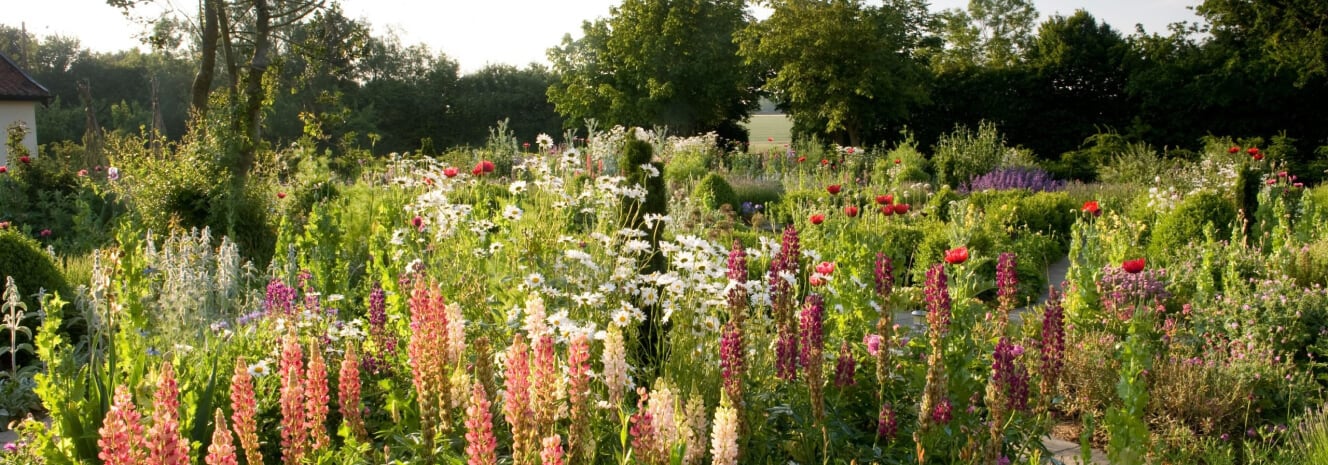
The National Garden Scheme, through the efforts of dedicated garden owners, opened 3,372 private gardens to the public in 2024, raising a record £3.5 million for charity. These cherished gardens, maintained by passionate volunteers, offer visitors a glimpse into a variety of beautiful and unique horticultural spaces across the UK. This initiative not only supports numerous charities but also fosters a deep appreciation for gardening and nature.
Explore gardens by county
- Anglesey
- Avon
- Bedfordshire
- Berkshire
- Bristol
- Buckinghamshire
- Cambridgeshire
- Carmarthenshire
- Ceredigion
- Channel Islands
- Cheshire
- Cleveland
- Clwyd
- Cornwall
- County Antrim
- County Down
- County Durham
- County Fermanagh
- County Londonderry
- County Tyrone
- Cumbria
- Denbighshire
- Derbyshire
- Devon
- Dorset
- Durham
- Dyfed
- East Riding
- East Sussex
- East Yorkshire
- Essex
- Flintshire
- Glamorgan
- Gloucestershire
- Gwent
- Gwynedd
- Hampshire
- Herefordshire
- Hertfordshire
- Huntingdonshire
- Isle Of Scilly
- Isle of Wight
- Kent
- Lancashire
- Leicestershire
- Lincolnshire
- London
- Merionethshire
- Merseyside
- Mid Glamorgan
- Middlesex
- Montgomeryshire
- Norfolk
- North Humberside
- North Yorkshire
- Northamptonshire
- Northumberland
- Nottinghamshire
- Oxfordshire
- Pembrokeshire
- Powys
- Rutland
- Shropshire
- Somerset
- South Glamorgan
- South Gloucestershire
- South Humberside
- South Yorkshire
- Staffordshire
- Suffolk
- Surrey
- Sussex
- Tyne And Wear
- Vale of Glamorgan
- Warwickshire
- West Glamorgan
- West Midlands
- West Sussex
- West Yorkshire
- Wiltshire
- Worcestershire
- Yorkshire
Explore gardens by type
- Gardens opened in 1927
- Gardens Welcoming Artists
- Autumn Colours Gardens
- Bed & Breakfast Gardens
- Bluebell Gardens
- Cashless Gardens
- Gardens Welcoming Children
- Gardens Allowing Coaches
- Cottage Gardens
- Gardens for Countryside Views
- Daffodil Gardens
- Dahlia Gardens
- Dog Friendly Gardens
- Gardens Welcoming Groups
- Historical Gardens
- National Trust Gardens
- New gardens open this year
- Picnic Gardens
- National Plant Collection Gardens
- Gardens with Plants for Sale
- Gardens Offering Refreshments
- Rose Gardens
- SGD Designed Gardens
- Snowdrop Gardens
- Gardens Welcoming Tours
- Town Gardens
- Tulip Gardens
- Gardens with Vegetable Areas
- Gardens with Wheelchair Access
- Wildlife Gardens
- Gardens for Winter Viewings
Featured gardens
.jpg)
.jpg)
.jpg)
.jpg)
.jpg)
Recently added gardens
.jpg)
.jpg)
.jpg)
.jpg)
.jpg)
The Sunken Garden at The Children's Garden
The Sunken Garden at The Children's Garden, NR4 7YB
Read more
.jpg)